Crucial Lifestyle Considerations Before Moving to Assisted Living
Business Name: BeeHive Homes of Granbury
Address: 1900 Acton Hwy, Granbury, TX 76049
Phone: (817) 221-8990
BeeHive Homes of Granbury
BeeHive Homes of Granbury assisted living facility is the perfect transition from an independent living facility or environment. Our elder care in Granbury, TX is designed to be smaller to create a more intimate atmosphere and to provide a family feel while our residents experience exceptional quality care. BeeHive Homes offers 24-hour caregiver support, private bedrooms and baths, medication monitoring, fantastic home-cooked dietitian-approved meals, housekeeping and laundry services. We also encourage participation in social activities, daily physical and mental exercise opportunities. We invite you to come and visit our assisted living home and feel what truly makes us the next best place to home.
1900 Acton Hwy, Granbury, TX 76049
Business Hours
Moving to assisted living is seldom a choice made on impulse. It generally arrives after a collection of smaller moments, a missed medication, a fall, a range left on, a spouse who is significantly exhausted, or an adult kid recognizing that "simply signing in" is no more enough. By the time households start looking for assisted living near me or contrasting senior living areas, they are generally managing more than logistics. They are taking care of sense of guilt, worry, financial resources, despair, and the extremely practical inquiry of what life will really appear like once the action happens.
That is why the discussion must not start and end with floor plans and monthly charges. Lifestyle considerations matter equally as high as care requirements. A good assisted living community can supply safety, assistance, and social link, however the transition still transforms virtually every component of a person's routine. Meals, privacy, rest, friendships, hobbies, transportation, and even the feeling of identification can change rapidly. The best outcomes tend to occur when families believe beyond the care plan and look truthfully at the lived experience of the move.
The emotional fact of leaving a veteran home
For many older grownups, the home they are leaving is more than a structure. It is a container for memory. It may hold the marks of a marital relationship, the books gathered over years, the garden planted by hand, or the kitchen where family vacations constantly appeared to begin. Leaving it can feel much less like downsizing and even more like closing a phase that still has incomplete business.
That emotional weight is easy to underestimate. Households in some cases concentrate on what will be easier after the move, like say goodbye to backyard job or say goodbye to stairways, while ignoring the pain that can include shedding familiar surroundings. I have actually seen residents that adjusted swiftly as soon as they really felt safe and resolved, and I have additionally seen people that took months to completely unpack since they were mourning the concept of home as long as the house itself.
This is where pacing issues. When possible, the move needs to be dealt with as a change, not a single event. Arranging belongings a little each time, seeing the area before move-in day, and bringing items of the old home into the brand-new one can minimize the shock. A favorite chair, mounted images, an acquainted lamp, or a well-used quilt can do greater than embellish a space. They secure the new room in memory and make it really feel much less temporary.
Daily routine adjustments more than people expect
People commonly envision assisted living as simply "aid with a few things." That holds true, but only component of the story. The structure of the day changes in ways that can be either soothing or disruptive, relying on the person.
At home, somebody might have consumed breakfast at 10 a.m. For several years, rested after lunch, and saw the night news in a certain chair. In assisted living, meals take place on a timetable, activities are provided at set times, and staff routines shape the rhythm of the day. For some citizens, that framework is an alleviation. They no more have to intend every dish or wonder when assistance is offered. For others, it can feel limiting at first.
The crucial inquiry is not whether structure exists, since it always performs in some kind. The actual concern is whether the area's pace fits the person's character and routines. A very social resident might appreciate a calendar loaded with activities and shared dishes. Someone that has constantly favored silent mornings and long stretches of reading might require a neighborhood that values personal privacy and supplies adaptable engagement.
A helpful way to consider this is to compare assistance and guidance. Good assisted living preserves as much selection as feasible while still giving help where it is needed. If a community's timetable appears too inflexible, that is worth observing early. Way of living fit tends to matter much more in time than a sleek sales brochure or a well presented apartment.
Social life can enhance, but only if the fit is right
One of the biggest benefits of assisted living is the chance to restore social connection. Several older grownups live with a reducing circle. Pals relocate away, driving becomes harder, and social opportunities slim. Solitude can sneak in quietly and influence hunger, power, sleep, and state of mind. A well-run senior living area can interrupt that isolation in a healthy way.
Still, socializing is manual. A person who has actually invested years in a silent family might not instantly come to be outward bound because there is a bingo night on the schedule. Some locals flourish in team settings, while others like one-on-one conversation or small, acquainted celebrations. Areas differ widely in culture. Some are lively and active. Others are calmer and more residential in feel. That distinction matters.
Families checking out assisted living ought to take note of the tone of the common areas. Do homeowners seem engaged or just offer? Are people talking with each various other, or sitting alone in silence? Exist diverse activities, or one type of programming repeated weekly? A resident who suches as music, faith-based gatherings, or gardening may grow in an area that offers those interests. A person who favors existing occasions, silent reading teams, or walking clubs might require a various environment.
Sometimes the first social connection is not with a planned activity in all. It is with the next-door neighbor across the hall, the dining-room web server who remembers a favorite tea, or the resident who additionally grew up in the very same town. Those small human minutes are usually what make assisted living feel like home.
Meals are not a small detail
Food impacts even more than nutrition. It forms regular, comfort, memory, and social communication. For somebody transitioning from home to assisted living, the eating experience can either feel like a welcome alleviation or a constant source of frustration.
Some people are pleased to let go of grocery store shopping and cooking. They delight in having dishes prepared, recipes removed, and selections offered without effort. Others are really connected to their own kitchen area behaviors. They may miss food preparation a straightforward morning meal, spices food to preference, or snacking on a recommended routine. If a resident has solid food choices, the eating program can turn into one of the most vital way of life consider the entire move.
It is smart to ask direct inquiries concerning adaptability. Can dishes suit nutritional constraints, allergic reactions, or social choices? Exactly how is texture-modified food dealt with? Are residents able to demand substitutions? What occurs if someone misses out on a dish due to the fact that they are at a visit? These information matter because they affect dignity as much as convenience.
The dining room atmosphere matters also. A hurried, noisy room can prevent somebody from eating well. An enjoyable, unrushed meal with excellent illumination and alert service can make the day feel secured. For numerous older grownups, dishes become one of the main social touchpoints in assisted living, which is why the dining society should have close attention, not a fast glance.
Privacy, independence, and the difficult limit in between aid and intrusion
One of one of the most fragile way of life adjustments in assisted living is discovering how support will operate in a more visible environment. At home, an individual can shut the front door and move with the day with couple of disruptions. In assisted living, team might go into for medications, housekeeping, wellness checks, or personal care. That can feel comforting, but it can likewise really feel invasive if the timing and communication are not handled well.
This is where self-reliance ought to be defined carefully. Independence does not mean doing everything alone. It implies having enough control to choose, keep privacy, and keep a feeling of company. A resident might need help showering, clothing, or remembering medications, yet still want to decide what time to get up, whether to attend an activity, or exactly how to organize the furniture in their apartment.
Families often undervalue how vital small selections come to be once larger choices are restricted. Having the ability to pick in between tea and coffee, maintain the door somewhat open, or determine when to relax can preserve self-respect in manner ins which are very easy to miss from the outside.
Before moving, it helps to talk simply about boundaries. What kinds of assistance are offered on demand? How does the neighborhood manage knock-and-enter techniques? Are residents motivated to participate in their own care routines when feasible? Those discussions can prevent misunderstandings later on, especially for individuals that have always valued self-direction.
The rate of the move itself can form adjustment
A hurried action usually develops preventable stress and anxiety. When the shift is compressed as a result of a hospitalization, a sudden decline, or a caretaker emergency situation, older adults might arrive in assisted living already dizzy and tired. Also a great community can feel overwhelming if the individual has actually had no opportunity to refine the change.
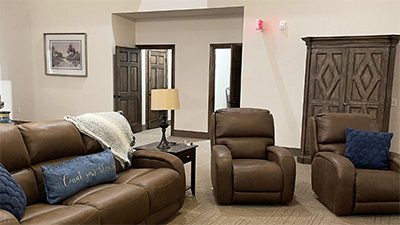
When time enables, prep work must be practical and individual. A pre-move visit serves, but so is paying attention to the less noticeable parts of day-to-day live. What is the illumination like in the home in late mid-day? Can the resident reach the shower room easily at night? Exists area for a preferred recliner chair, walker, or hobby equipment? An individual who bakes may miss out on the routine of measuring active ingredients, also if they no more require a complete kitchen area. A former woodworker might desire room for devices or easy projects.
The action also influences family regimens. Grown-up youngsters commonly come to be the organizers, moving companies, and emotional shock absorbers. Their very own tension can spill right into the process if everyone is trying to take care of too much simultaneously. senior care beehivehomes.com In many cases, temporary respite care can develop breathing room. It offers households time to test a regular, collect items thoughtfully, or handle a post-hospital recovery before dedicating to an irreversible move.
That trial duration can be very valuable. It exposes whether the area's rhythm operates in technique, not just theoretically. It additionally offers the older adult a possibility to test the social environment, the eating, the care action, and the emotional fit before working out in fully.
Health demands are only component of the equation
Assisted living is made for individuals who require support with everyday tasks, not extensive healthcare. That difference issues when family members are comparing options. Some people move in because they need assist with bathing, dressing, meals, or medicine suggestions. Others show up after a hospitalization and are still recouping strength and confidence. The degree of support might change with time, yet the community still needs to match the resident's actual wellness profile.
This is where a cautious evaluation of care requirements comes to be vital. If a person has regular falls, considerable memory disability, oxygen needs, or complex clinical regimens, the family members should ask whether assisted living is really the best setting or whether a greater level of support is required. Not every neighborhood can safely manage every situation.
It is additionally worth asking just how the area reacts when a resident's requirements change. Some people enter assisted living and slowly need more assistance. Others continue to be rather stable for many years. The most effective planning accounts for both opportunities. Families ought to know what reviews resemble, exactly how swiftly care strategies can be updated, and when a transfer to one more degree of care might become necessary.
Good senior care is not almost conference today's needs. It is about expecting tomorrow's most likely adjustments without making the resident feel like a situation file. That equilibrium takes judgment, and it is one reason a thoughtful in-person conversation matters more than advertising and marketing language.
Before picking a neighborhood, ask the inquiries that influence daily life
A brightened tour can conceal a great deal. The entrance hall may be attractive, the dining-room spick-and-span, and the staff inviting. Those things matter, but they do not tell the whole tale. Lifestyle fit shows up in ordinary minutes, not just in sales presentations.
When family members are comparing assisted living neighborhoods, it helps to concentrate on concerns that reveal how day-to-day live really works.
- What does a normal day look like for locals who favor a peaceful routine?
- How versatile are dishes, bathing times, and activity participation?
- What supports are readily available for homeowners who are socially scheduled or tough of hearing?
- How are family members visits took care of, and exist puts for private time together?
- How does the community assistance shifts from temporary rehab, hospitalization, or respite care?
These inquiries serve due to the fact that they relocate the discussion away from abstract assurances and towards lived experience. The responses commonly disclose whether an area will certainly feel considerate and comfortable over time.
Money transforms the way of living conversation too
Finances are not a different problem from way of living, they form it. Assisted living has a regular monthly expense that might include housing, meals, individual care, home cleaning, transport, and activities. Yet not every community bundles those services the same way. A family members that just compares the base price may be surprised later by included costs for medicine monitoring, added care hours, laundry, or specialized support.
That is why it is necessary to look past the heading cost. The best concern is not just, "Can we afford this month?" It is, "What degree of service is included, and what might the next six to twelve months need?" A resident that requires more help with time might experience a meaningful boost in month-to-month cost.
Families frequently begin by searching for senior care near me and then discover that the regional market differs extensively. Some areas appear budget friendly at first glance, however hidden costs narrow the gap. Others show up more costly however consist of even more support in the base rate. Budgeting with realistic assumptions, as opposed to best-case presumptions, can stop excruciating surprises later.
It likewise assists to think about the cost of stagnating. When a caretaker is burning out, when home modifications become expensive, or when a fall results in duplicated emergency situation visits, the monetary photo can alter promptly. Assisted living is not constantly the most affordable choice, but in the appropriate circumstance, it can stabilize both care and family members life.
The finest step is the one that maintains dignity
People occasionally speak about assisted living as though it is only around safety. Safety issues, but self-respect issues just as much. A good transition values the older grownup's preferences, routines, and history. It identifies that a resident is not just a person that requires help, but a person that still has opinions, routines, and a sense of self.
That is why the little points are frequently the huge things. The ability to hang familiar artwork. The chance to bring a precious blanket. The choice to go to activities without being pressured into them. The flexibility to have a silent mid-day when energy is reduced. These information do not show up in a clinical chart, but they form whether an individual feels like a resident or a guest.

Families who require time to think through lifestyle issues typically make far better choices. They notice whether the area respects privacy, whether meals feel welcoming, whether the social setting fits the resident's temperament, and whether the care model can adapt over time. Those observations are much more trusted than any glossy brochure.
Assisted living can be a real improvement in lifestyle when the move is taken care of with honesty and care. For numerous older grownups, it brings alleviation, companionship, and a more secure everyday rhythm. For families, it can replace consistent dilemma monitoring with something steadier and a lot more sustainable. The transition works best when it is intended around the individual's actual life, not simply the degree useful they need.
BeeHive Homes of Granbury provides assisted living care
BeeHive Homes of Granbury provides memory care services
BeeHive Homes of Granbury provides respite care services
BeeHive Homes of Granbury supports assistance with bathing and grooming
BeeHive Homes of Granbury offers private bedrooms with private bathrooms
BeeHive Homes of Granbury provides medication monitoring and documentation
BeeHive Homes of Granbury serves dietitian-approved meals
BeeHive Homes of Granbury provides housekeeping services
BeeHive Homes of Granbury provides laundry services
BeeHive Homes of Granbury offers community dining and social engagement activities
BeeHive Homes of Granbury features life enrichment activities
BeeHive Homes of Granbury supports personal care assistance during meals and daily routines
BeeHive Homes of Granbury promotes frequent physical and mental exercise opportunities
BeeHive Homes of Granbury provides a home-like residential environment
BeeHive Homes of Granbury creates customized care plans as residents’ needs change
BeeHive Homes of Granbury assesses individual resident care needs
BeeHive Homes of Granbury accepts private pay and long-term care insurance
BeeHive Homes of Granbury assists qualified veterans with Aid and Attendance benefits
BeeHive Homes of Granbury encourages meaningful resident-to-staff relationships
BeeHive Homes of Granbury delivers compassionate, attentive senior care focused on dignity and comfort
BeeHive Homes of Granbury has a phone number of (817) 221-8990
BeeHive Homes of Granbury has an address of 1900 Acton Hwy, Granbury, TX 76049
BeeHive Homes of Granbury has a website https://beehivehomes.com/locations/granbury/
BeeHive Homes of Granbury has Google Maps listing https://maps.app.goo.gl/xVVgS7RdaV57HSLu9
BeeHive Homes of Granbury has Facebook page https://www.facebook.com/BeeHiveHomesGranbury
BeeHive Homes of Granbury has an YouTube page https://www.youtube.com/@WelcomeHomeBeeHiveHomes
BeeHive Homes of Granbury won Top Assisted Living Homes 2025
BeeHive Homes of Granbury earned Best Customer Service Award 2024
BeeHive Homes of Granbury placed 1st for Senior Living Communities 2025
People Also Ask about BeeHive Homes of Granbury
What is BeeHive Homes of Granbury Living monthly room rate?
The rate depends on the level of care that is needed. We do an initial evaluation for each potential resident to determine the level of care needed. The monthly rate is based on this evaluation. There are no hidden costs or fees
Can residents stay in BeeHive Homes until the end of their life?
Usually yes. There are exceptions, such as when there are safety issues with the resident, or they need 24 hour skilled nursing services
Do we have a nurse on staff?
No, but each BeeHive Home has a consulting Nurse available 24 – 7. if nursing services are needed, a doctor can order home health to come into the home
What are BeeHive Homes’ visiting hours?
Visiting hours are adjusted to accommodate the families and the resident’s needs… just not too early or too late
Do we have couple’s rooms available?
Yes, each home has rooms designed to accommodate couples. Please ask about the availability of these rooms
Where is BeeHive Homes of Granbury located?
BeeHive Homes of Granbury is conveniently located at 1900 Acton Hwy, Granbury, TX 76049. You can easily find directions on Google Maps or call at (817) 221-8990 Monday through Sunday 9:00am to 5:00pm
How can I contact BeeHive Homes of Granbury?
You can contact BeeHive Homes of Granbury by phone at: (817) 221-8990, visit their website at https://beehivehomes.com/locations/granbury/, or connect on social media via Facebook or YouTube
Granbury City Beach Park offers lakeside views and level walking paths where residents in assisted living, memory care, senior care, elderly care, and respite care can enjoy relaxing outdoor time.